URBULENT

Unmanned aerial systems · Autonomous by default

Order out of turbulence

Turbulent Industries designs, builds and flies autonomous unmanned aircraft — one autonomy core, one operator picture, across every domain.

HADI — flight tested

Deterrence is a production problem.

Capability that arrives in a decade deters nobody. We build aircraft that fly this year, on hardware and software we own end to end — airframe, avionics, autonomy.

One autonomy core runs across every platform we field. Add an aircraft to the mission and the picture gets richer, not harder to manage.

Designed, built and flight-tested in-house.

One airframe.
Two missions.

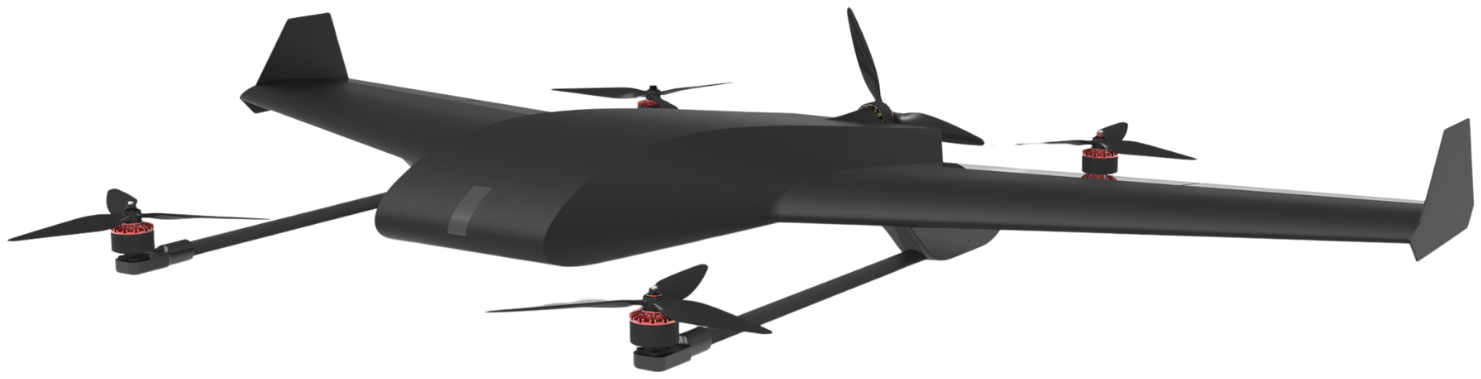
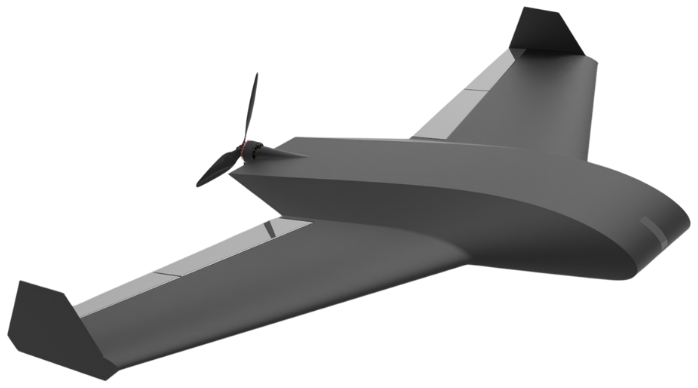
HADI reconfigures in the field between persistent ISR and precision strike — no retooling, no specialist support equipment.

Config / A

HADI in VTOL configuration

VTOL

Persistent ISR

Config / B

HADI in catapult-launched configuration

Catapult LM

Precision strike

0 kgMTOW · both
0 kgPayload · both
0 hEndurance · LM
0 km/hMax speed · LM
0 kmRange · LM

Figures shown are the loitering-munition configuration. VTOL differs — see the full specification.

HADI specification

Software core

Flowstate

The autonomy stack that flies every Turbulent aircraft. Perception, decision and control run entirely on board — no cloud, no dependency, no link required.

Operators give intent. The aircraft resolve the rest.

CommandIntent-level tasking, one air picture
MeshAircraft-to-aircraft link, no ground dependency
PerceptionOn-board fusion of EO, IR, RF, acoustic
AutonomyBehaviour library, edge inference
FoundryDigital twin, simulation, fleet updates

Three domains.
One core.

Air first, because air proves the core. Sea and land inherit it rather than rebuild it.

A force that cannot share what it sees is three forces, not one.

Flowstate Air Flying Sea Concept 2027 Land Concept 2028

2026

Air · HADI flight tested

2027

Sea · Eddy, Undertow

2028

Land · Talus, Datum

Most forces run a separate stack per domain. Each one builds its own picture, and the seams between them are filled by a person reading a grid reference down a radio. That person is the bottleneck, and the seam is where the target is lost.

We build the opposite way. One autonomy core, one perception model, one message bus — so a new domain is a new body on an existing nervous system, not a new nervous system.

A contact held by an aircraft is already held by the surface and ground pictures. No relay, no translation layer, no retyping. Systems task each other directly, and a person authorises the decisions that matter.

HADI flies on that core today. Eddy and Undertow take it to sea; Talus and Datum take it to ground. Each inherits the work rather than repeating it.

Built here

Airframe to firmware, taken in-house from concept through CFD, qualification and flight test.

Design

Concept, aerodynamics and CFD run in-house. The people who size the wing are the people who fly it.

Structures

Composite layup and structural qualification on site. No waiting on a supplier to iterate a part.

Avionics

Flight computer and firmware written against our own autonomy core, not integrated around someone else’s.

Flight test

Our own test cadence. Prototypes fly in months, and what we learn goes straight back into the airframe.

Build the aircraft.

We hire aerodynamicists, structures engineers, GNC and firmware people who would rather fly a prototype this year than brief one for five.

Enquiries

Programme, procurement and partnership enquiries are handled through official channels.

Contact
HADI · flight testedFlowstate · runningAir · 2026Eddy · Undertow · sea 2027Talus · Datum · land 2028One core · three domainsExport controlledHADI · flight testedFlowstate · runningAir · 2026Eddy · Undertow · sea 2027Talus · Datum · land 2028One core · three domainsExport controlled